
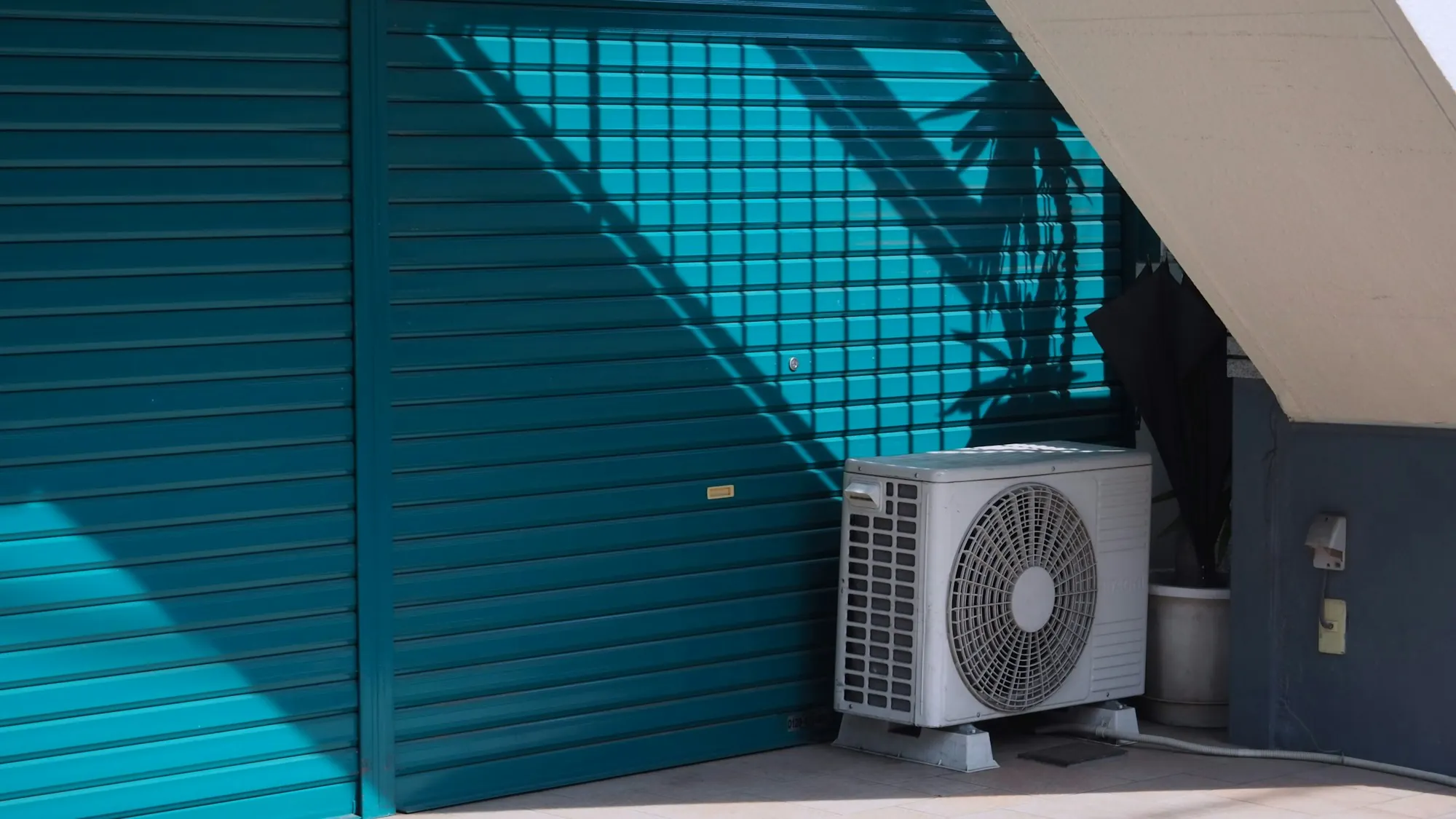
Is the old AC on its last legs?
AC Installation and Replacement in Dunwoody, GA
First a straight answer on whether it's worth fixing. If it isn't, new equipment sized for your rooms and installed to run quietly and evenly.
How Can You Tell It's Time for a New One?
There's no expiration date stamped on an air conditioner. What counts is the full story: how old it is, how often it's needed help lately, whether every room still feels right and how much it costs to run through a Georgia summer. We'll walk through all of it with you and give you our honest take. Sometimes that's one more repair. Sometimes it's time. When it's time, the single biggest decision is size, and it shouldn't be copied off the old unit's sticker. Go too big and the system cools in quick blasts, shuts off and leaves the air muggy. Go too small and it never catches up on a scorching afternoon. That's why we look at the house itself, its insulation, its windows and, most of all, its ductwork before suggesting equipment. We'll also be straight about efficiency: a higher SEER2 rating helps, but only if sizing and installation are done right. The new outdoor unit gets a coil that's matched to it, a proper refrigerant line set, a working drain and electrical service that fits. Plenty of Georgia replacements need a permit and inspection, and we'll take care of that when yours does. Then the old equipment rides off with us.
What's Part of a Replacement Job?
A typical change-out covers all of the following.
Fix-or-replace math
Age, repair record, comfort and running cost compared side by side so the choice is obvious.
Load-based sizing
Capacity picked for your rooms and ducts, not lifted off the old nameplate.
SEER2 decoded
What the number means for your house, and why workmanship counts just as much.
Coil and condenser that match
Indoor and outdoor halves paired so the system performs the way it was engineered.
Lines, drain and wiring
Refrigerant piping, condensate drain and electrical hookups installed correctly for the new unit.
Permit and inspection
Arranged with the city or county whenever your job calls for one.
Startup checks
Charge, airflow and safety controls confirmed before we hand over the thermostat.
Old unit gone
The retired equipment hauled away and the work spots swept clean.
How Does a Replacement Unfold?
We look before we suggest
A technician checks your current system, the ductwork and how evenly each room cools. You'll hear what's worth keeping and whether a replacement really makes sense yet.
You compare a short list
A handful of properly sized choices, explained in plain words with a price next to each. Nobody nudges you toward the priciest one.
Install, test, show you around
Out with the old, in with the new. After startup testing, the technician shows you the thermostat, the filter and how manufacturer registration works.
Why Have Us Put In the New System?
We'll say when a repair is enough
If fixing it beats replacing it, that's the advice you'll get.
Sized from the house
A properly sized system keeps temperatures steady and wrings more moisture out of humid air.
Your home stays clean
Floors covered, old equipment hauled off and everything tidied before we go.
- Honest fix-or-replace
- Sized from the house
- Permit arranged
- Haul-away handled
Fix It Again or Start Fresh?
Let us know how old the system is and what it's needed recently. We'll give you an honest opinion that fits your house and your budget.